

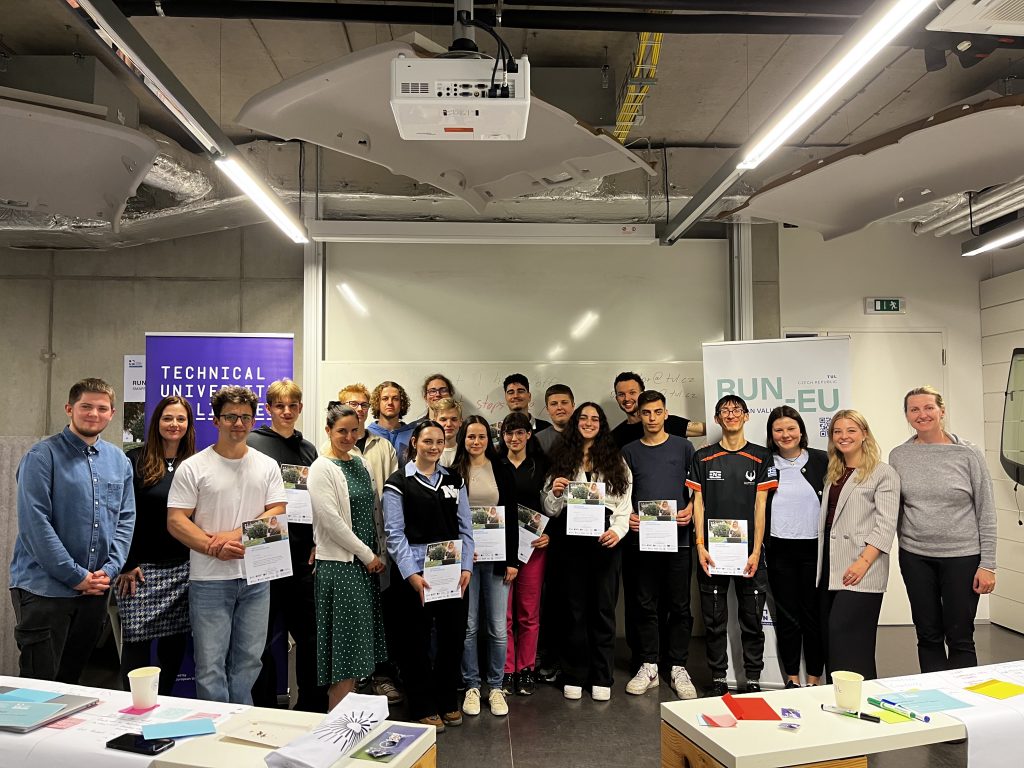
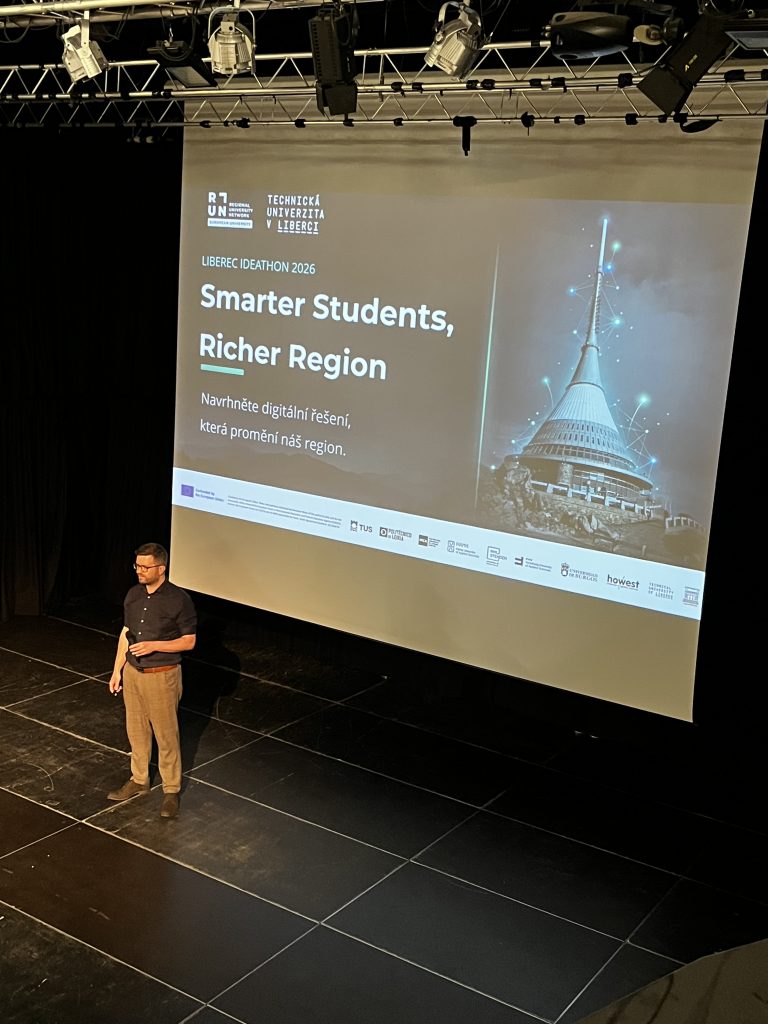
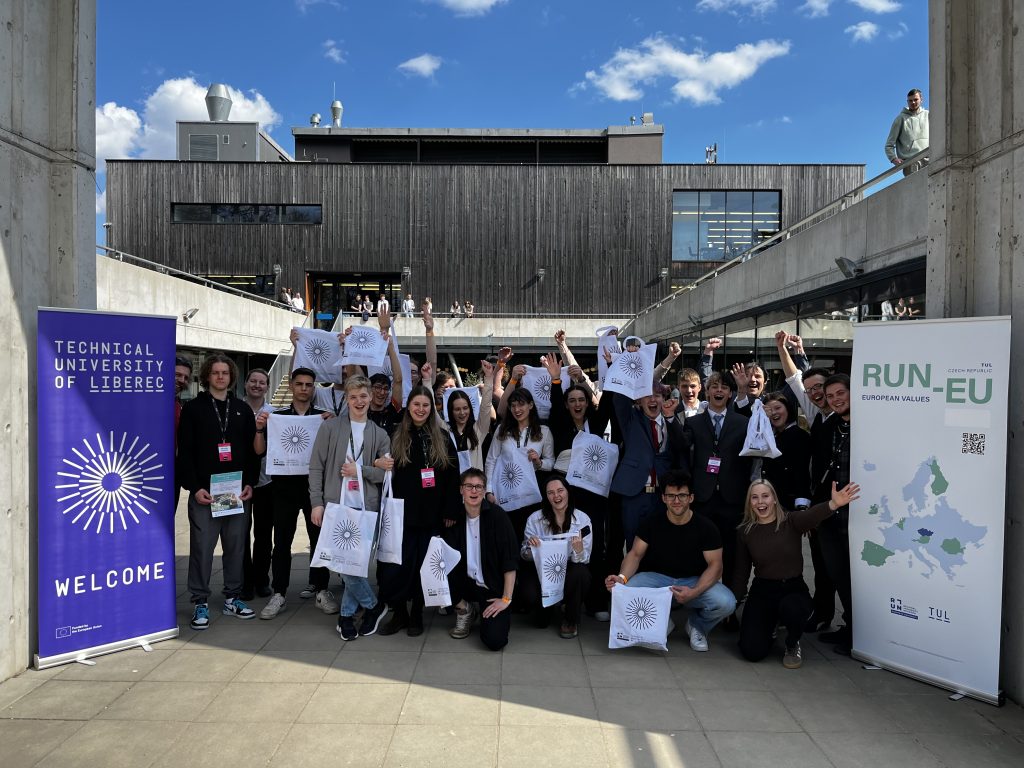
How to get young people involved in sports, culture, or healthier habits? Students in Liberec had 24 hours to find the answer. The sixth edition of the Liberec Ideathon involved 63 high school and university students who presented specific and imaginative solutions for the region. The jury was most impressed by the TULgether app, designed by our mechatronics team, and the Linserka HUB. The Technical University of Liberec (TUL) had a strong presence this year and also introduced its own challenge: Smarter Students, Richer Region.
Twenty-one student teams at the Ideathon tackled four challenges set by partners from the public sector and education—the Liberec Region, the Technical University of Liberec, and the cities of Liberec and Jablonec nad Nisou.
“I see this as a great opportunity to give young people a chance to have a say in what is happening around us. I believe the ideas from the Ideathon will find practical application in the Liberec Region,” emphasized Governor Martin Půta.
Organizers from the Regional Development Agency, CzechInvest, and the Liberec Region presented the youth with tasks at the 101010 Cultural Center in Vratislavice that will impact the quality of life in the region. The teams developed projects focusing on the health literacy of the younger generation, increasing the appeal of university education for high schoolers, developing community life around the Linserka center, and engaging the youth during the celebrations of the 160th anniversary of the city of Jablonec nad Nisou.
Building Communities:
For Athletes and Creatives Alike
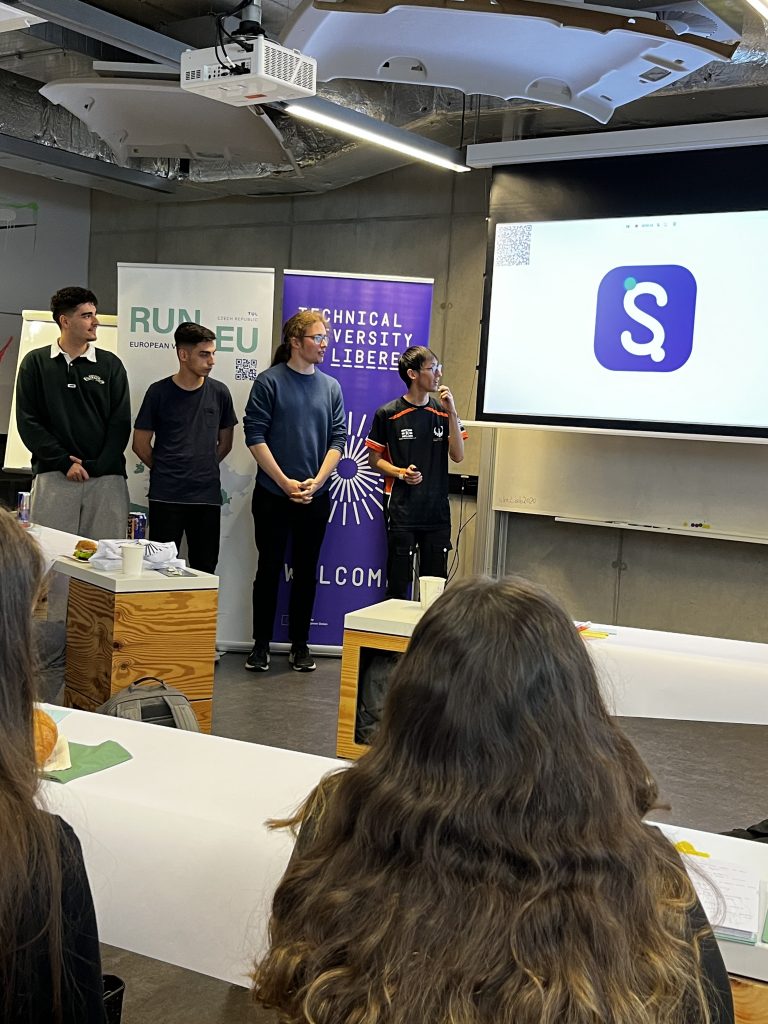
Victory in the university category went to Team Girlboss from the TUL Faculty of Mechatronics, Informatics, and Interdisciplinary Studies (FM), featuring members Lucie Farská, Aneta Červová, Monika Křenková, and Jan Novák. The students won over the jury with their sophisticated proposal for the TULgether app. The application is designed to help student-athletes find partners for shared activities, thereby fostering a healthy community life among students.
“We are motivated by the knowledge that we can innovate and actually change something in the region. We would definitely recommend participating to our peers: Don’t be afraid to try it—go all in,” the members of the winning team agreed.
All four are Information Technology students at FM. And their recipe for victory? “Pick a topic that you actually enjoy!”
Art You Can Experience Even Blindfolded
The University Jury Award was presented to the team of Tereza Sedláčková, Veronika Havlová, and Hana Šteklová for their proposal of an inclusive project for the Linserka Cultural Center. Their concept is based on an interactive exhibition that would make art accessible to people with disabilities while offering a new type of experience to the general public.
The project works with the principle of engaging all the senses, allowing visitors to perceive the space in a different way—for example, through blindfolded tours or tours led by individuals with various types of disabilities. The proposal also includes a long-term transformation of the space, including more inclusive navigation and the involvement of the local young artistic community.
From Idea to Implementation
The Liberec Ideathon has once again shown that young people can come up with surprisingly sophisticated and practical solutions. It is now up to the organizers and partners of the competition to see if these student ideas can be put into practice.
This is already taking shape with last year’s winning project, which aimed to make the Research Library in Liberec more attractive. An online escape game featuring the figure of Johannes Gutenberg is expected to begin development this year in collaboration between the students and the library team.
International Outreach Thanks to RUN-EU
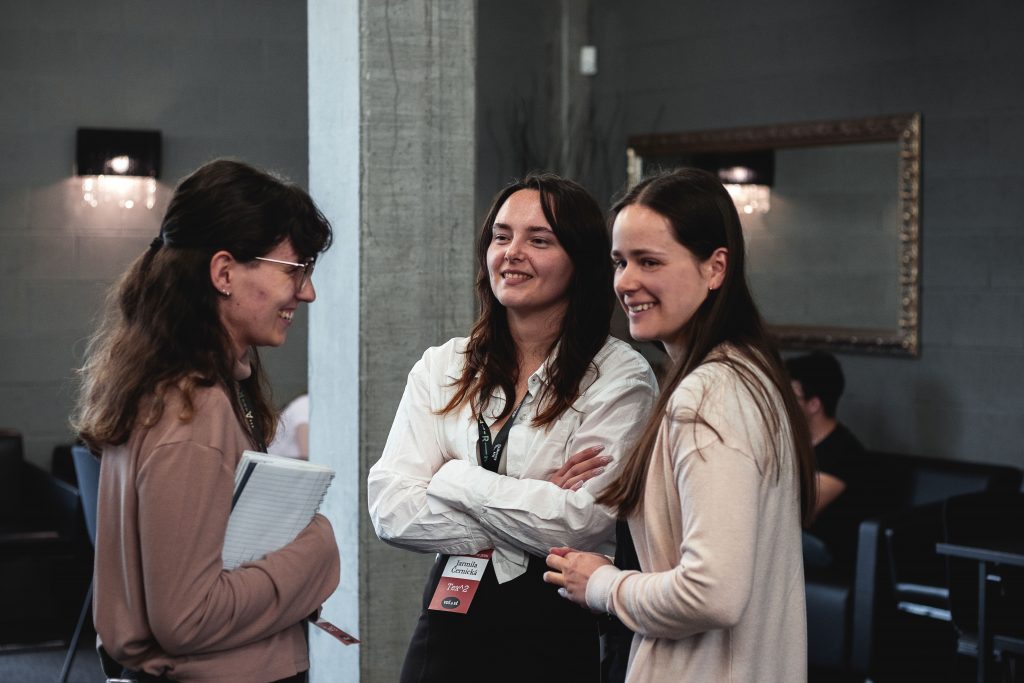
The Technical University of Liberec (TUL) once again had a strong presence in this year’s Ideathon. The university introduced its own challenge—Smarter Students, Richer Region—which became the most popular category of the event. A total of seven teams (3 high school and 4 university teams) participated: Křemík, OHS Turnov, Petronel.exe, Eurika, Pokus na hraně, Pupsiki, and Tex 2. Their imaginative ideas focused on how to attract and support students at TUL.
TUL was also deeply involved in the organization of the event. Several faculty members served as mentors to assist the contestants, and the university was represented on both judging panels.
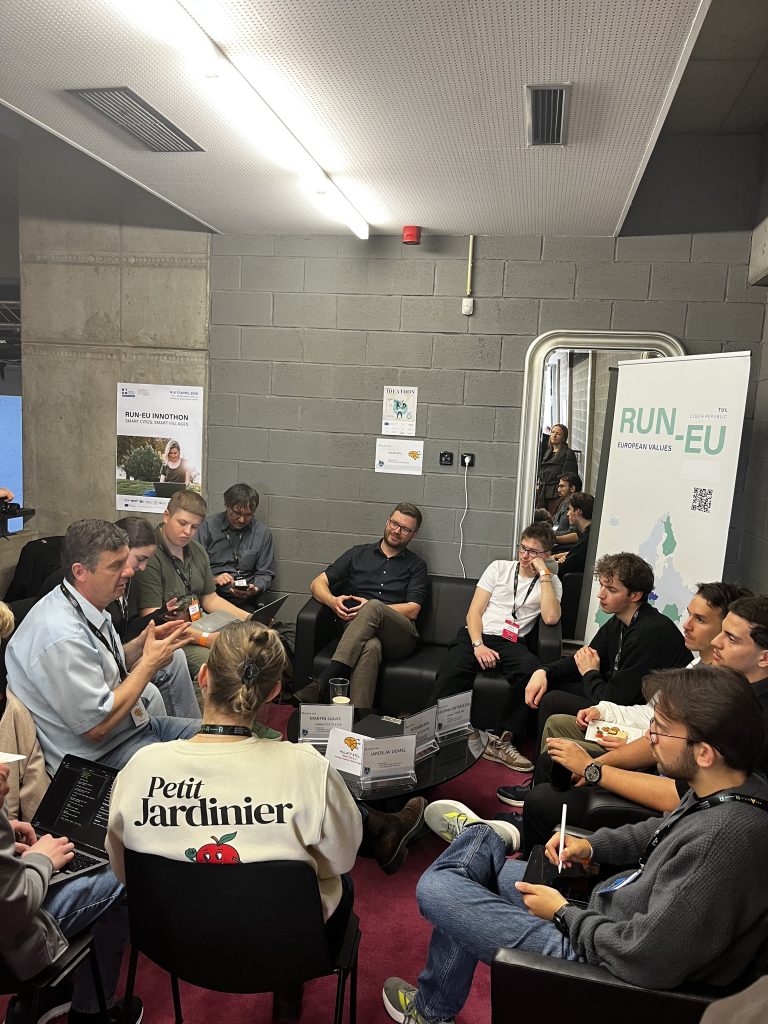
For the first time this year, the Ideathon achieved an international reach thanks to the connection between TUL and the RUN-EU alliance. Immediately following the Ideathon, teams were given the opportunity to further develop their projects through international presentations, receiving additional feedback and support for potential implementation from TUL mentors.
Preparations for these international presentations took place on Monday, April 20, at TUL’s Unilab. The teams refined their ideas and finalized their materials entirely in English.
Innothon Joins Forces with Ideathon
The Innothon—a joint initiative of the RUN-EU alliance held alongside the Ideathon—provided high school and university students with the opportunity to tackle current challenges within the shared RUN-EU theme of Smart Cities and Smart Villages. In their projects, students developed innovative proposals aimed at increasing the appeal of university studies and attracting young people to our university. Their ideas included apps, events, practical networking between high school and university students, and adaptation support via the Discord platform.
The grand international finale took place online on Friday, April 24, featuring students from nine European countries representing a total of ten RUN-EU partners. Our university was represented among the RUN-EU teams by Team EURIKA.
However, the journey for our teams does not end there. Every idea will get a chance to progress further; in the coming weeks, mentors from TUL will discuss with the teams how to put their ideas—even if only partially—into practice.
“This event demonstrated the immense potential our students have in finding solutions to specific topics; furthermore, they are best at identifying what their own generation needs. We also greatly appreciate the teams’ interest in immediately continuing their collaboration here at our UniLab. High school and university students united over these ideas—and it is precisely this connection and sharing of experience that we consider key,” stated Kateřina Maršíková, the lead coordinator of the RUN-EU alliance at TUL.